
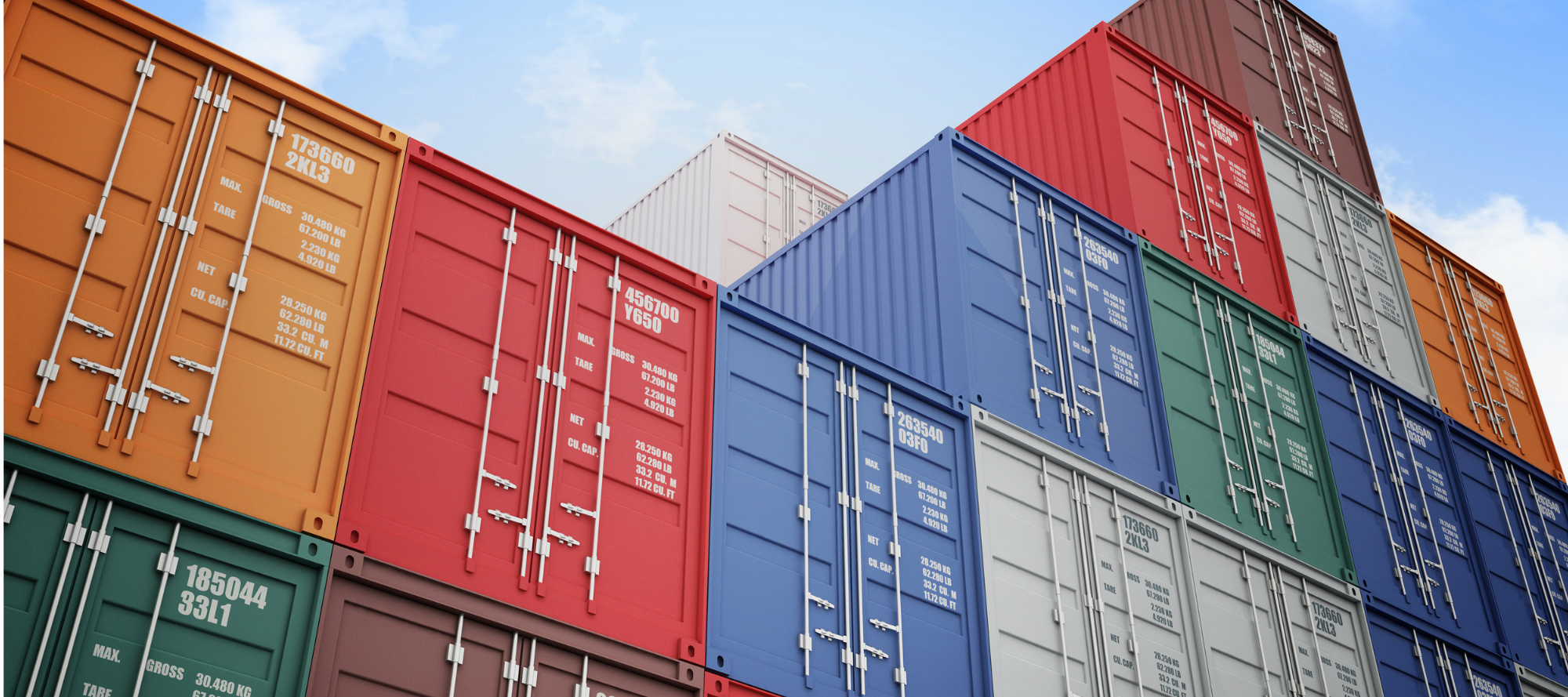
The movement of goods is essential to modern business, but with thousands of items passing through warehouses, distribution centres, airports and logistics facilities every day, effective security screening is increasingly important.
For organisations handling high volumes of cargo, relying heavily on manual inspection can be time-consuming and disruptive. X-ray screening provides an efficient way to inspect goods while helping security teams identify potential threats and prohibited items without unnecessarily opening or handling cargo.
Why Cargo Screening Matters
Cargo can vary considerably in size, weight, density and contents. From individual boxes and packages to larger freight and palletised goods, security teams need screening technology capable of keeping operations moving while providing clear and reliable inspection.
Introducing X-ray screening into the security process can help organisations:
- Reduce reliance on manual inspection
- Improve screening efficiency
- Identify suspicious or prohibited items
- Maintain a more consistent security process
- Screen goods without unnecessarily opening packages
- Support higher-throughput logistics operations
For busy logistics environments, this can provide an important balance between security and operational efficiency.
Screening Dense and Wet Cargo
Not all cargo presents the same screening challenge.
Dense and wet goods, including food and beverages, can be particularly difficult to inspect using lower-energy X-ray systems. This is where higher-powered cargo screening technology can provide a significant advantage.
Todd Research offers 320kV cargo X-ray screening solutions, providing increased penetration for challenging and dense cargo. This makes the technology particularly suited to operations regularly screening food, drink and other difficult-to-penetrate goods.
The ability to see through challenging cargo can help operators make more informed decisions while reducing the need to physically inspect shipments.
Reducing Manual Inspection
Opening boxes, unpacking goods and manually checking cargo takes time. It can also create delays within an operation, particularly when large volumes of freight need to be processed.
X-ray screening allows operators to inspect the internal contents of cargo without immediately resorting to physical searches.
Where an X-ray image identifies something requiring further investigation, the item can then be selected for additional inspection. This creates a more targeted approach rather than relying on manual searches across every shipment.
Choosing the Right Cargo X-Ray Scanner
There is no single X-ray system suitable for every cargo operation.
The right solution depends on several factors, including the dimensions of the goods being screened, their typical density, required throughput and the environment in which the equipment will operate.
Todd Research provides a range of cargo X-ray screening solutions designed for different operational requirements, from individual packages and loose freight through to larger and palletised cargo.
Understanding what is being screened is therefore an important first step when specifying a system.
Supporting Safer and More Efficient Operations
Security screening shouldn’t have to become a bottleneck.
By integrating the right X-ray technology into existing processes, organisations can strengthen their approach to cargo security while maintaining the movement of goods through their facilities.
With decades of experience in X-ray security screening, Todd Research works with organisations to identify solutions suited to their individual operational and security requirements.
Whether you’re screening packages, freight, food and beverages or larger cargo, our team can help identify the most appropriate technology for your operation.
Looking to improve your cargo screening process? Contact Todd Research to discuss your requirements and discover our range of cargo X-ray screening solutions.
